The Tat People of Iran: A Comprehensive Insight into Their Culture and Roots

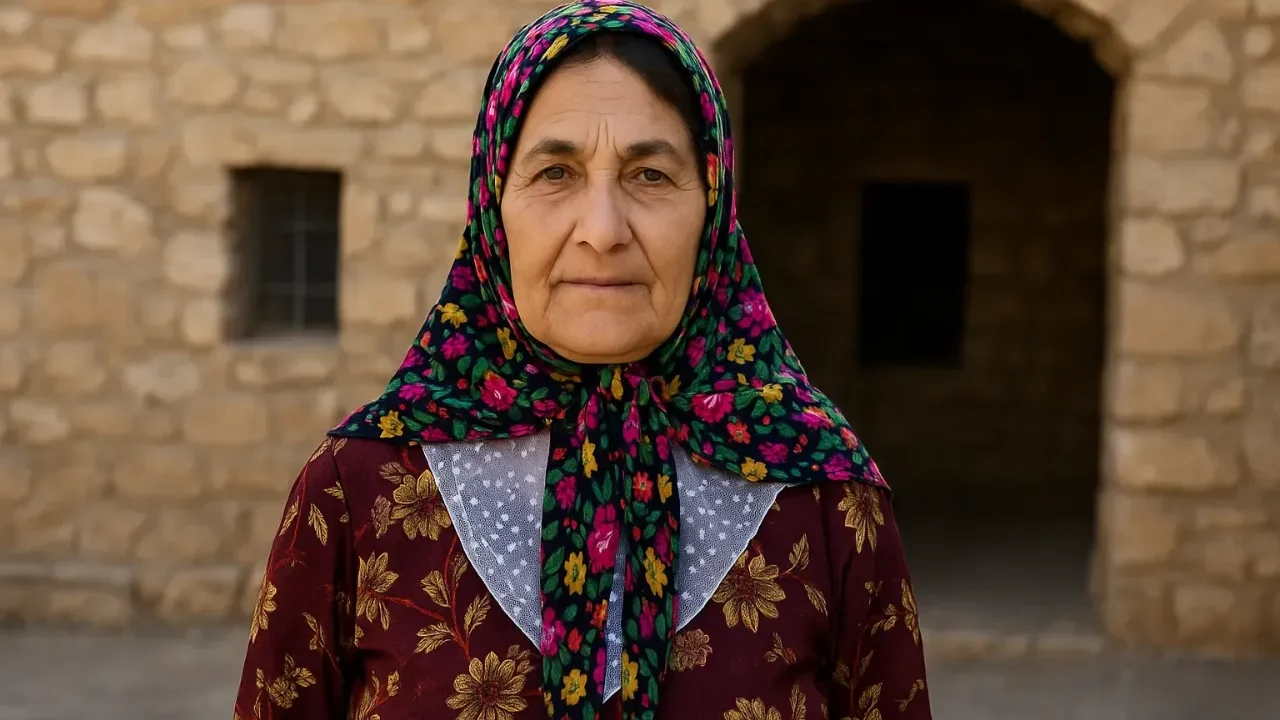
Note: Due to the limited availability of documented information and imagery, especially in visual archives, this article brings together rare and scattered insights about the Tat people of Iran. It aims to preserve and spotlight a lesser-known thread of Iran’s diverse cultural fabric.
The Tat people of Iran represent one of the country’s lesser-known yet historically rich ethnic communities. Predominantly settled in the northwestern provinces, especially Qazvin and Zanjan, they are recognized for their distinct language, vibrant traditions, and deep cultural roots. This article presents an enriched exploration of the Tat people, structured around essential themes that encompass their identity, language, customs, and contributions to Iranian cultural heritage.
Who Are the Tat People?
The Tat people are an Iranian ethnic group who speak a group of dialects known collectively as Tati. These dialects are classified under the Northwestern Iranian language branch.
Their population in Iran is estimated to be over 300,000, mainly residing in the provinces of Qazvin, Zanjan, and to a lesser extent in Alborz and Tehran. Despite the encroachment of Persian and Azerbaijani languages, Tati dialects are still spoken in rural regions.

Language and Linguistic Heritage
The Tati language of Iran, or Southern Tati (in Tati: Tâti Zobun), belongs to the Northwestern branch of Iranian languages. According to UNESCO, Tati is classified as a definitely endangered language.
Tati is notably similar to other Northwestern Iranian languages spoken along the Caspian Sea, particularly Talysh, Gilaki, and Mazanderani. It also shares linguistic ties with Kurdish and the ancient Avestan language. As one of the Northwestern Iranian languages, Tati aligns more closely with regional languages like Galeshi, Gilaki, and especially Talysh than with Southwestern ones such as Persian.
Cultural Practices and Social Traditions
The Tat culture is rich with indigenous customs, many of which align with broader Iranian traditions but retain local flavor.
Weddings and Ceremonies
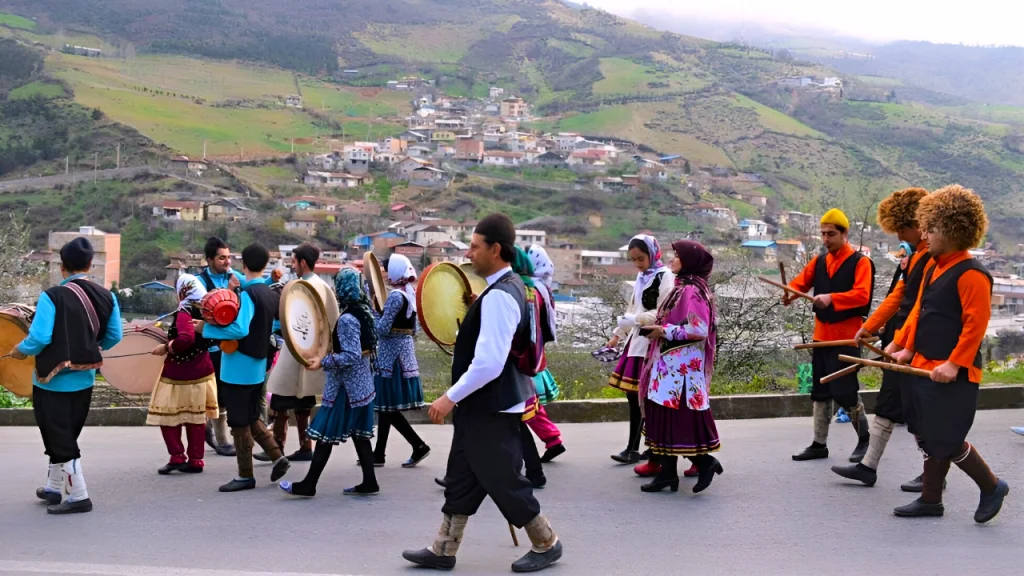
Tat weddings are elaborate, multi-day affairs that involve music, traditional dancing, and colorful attire. Rituals such as henna nights and the ceremonial arrival of the bride (arroosi) are observed.
Festivals
Nowruz, the Persian New Year, is celebrated with local songs, special foods, and agricultural rituals that harken back to pre-Islamic times. Other seasonal festivities related to harvest and planting cycles are also common.
Funeral Practices
Funeral traditions combine Shi’a Islamic practices with older customs like specific mourning chants and collective community meals.
Cuisine and Food Heritage
Tat cuisine mirrors the agrarian lifestyle of the community. Dishes typically include local herbs, legumes, rice, and lamb.
Notable Dishes:
- Ash-e-Tati: A traditional soup with beans, noodles, and herbs.
- Herb-stuffed vegetables and rice dishes with a local twist.
- Preserved and fermented products like pickled garlic and yogurt-based side dishes.
Food plays a vital role in communal gatherings, particularly during festivals and ceremonies.


Music, Oral Literature, and the Arts
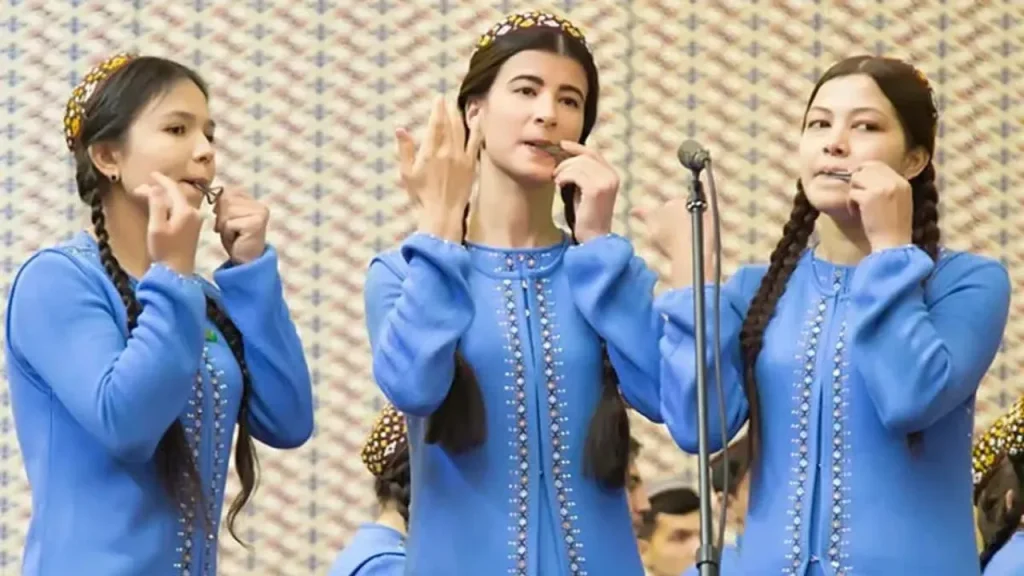
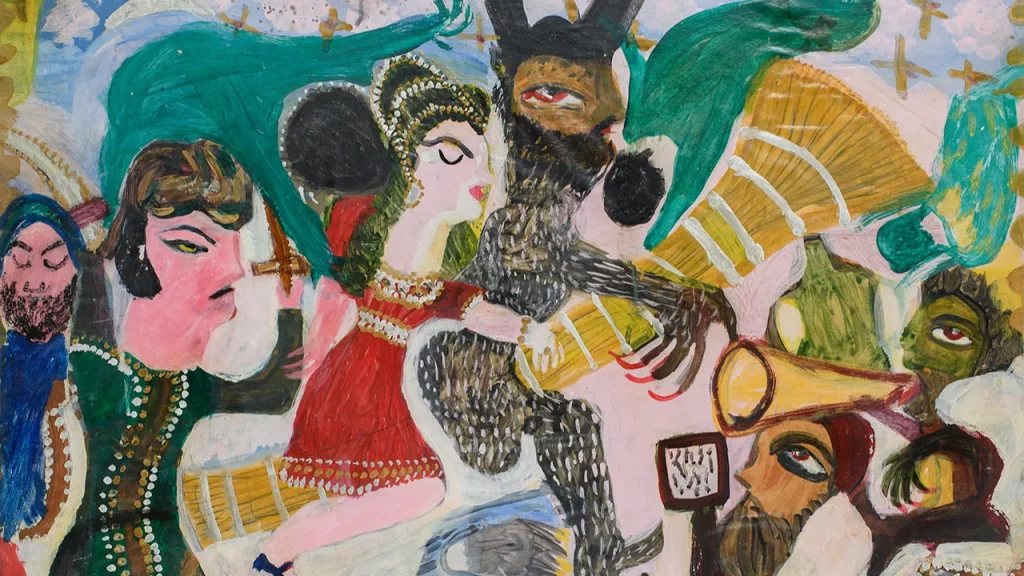
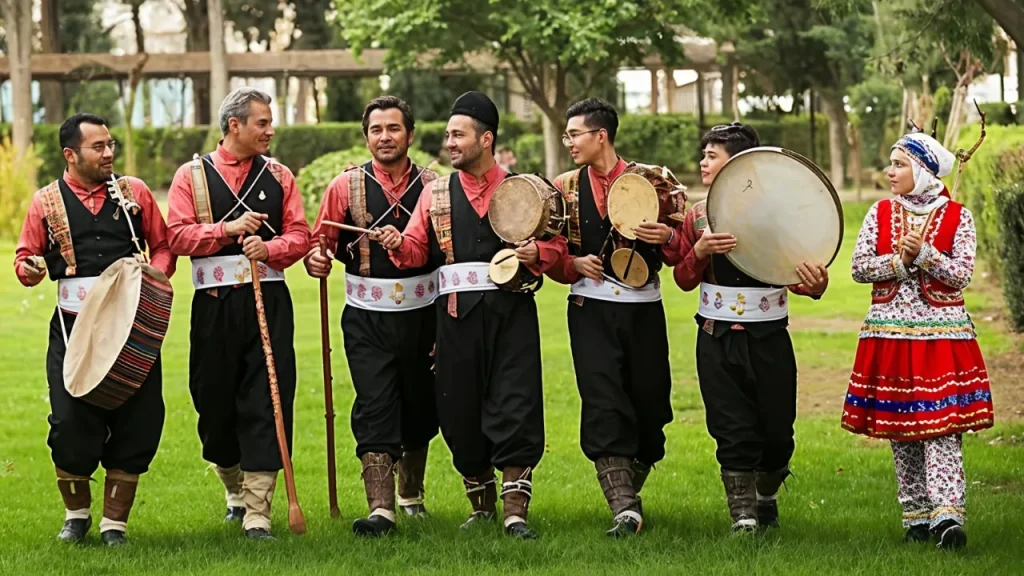
Tat oral traditions include epic storytelling, lullabies, and poetic forms recited in Tati dialects. Music features instruments such as the daf (frame drum) and saz (stringed instrument), often played at weddings and seasonal festivals.
Cultural Highlights:
- Poetic forms: Blend spiritual themes with love and nature imagery.
- Group dances: Performed at weddings and harvest festivals.
- Storytelling traditions: Folklore passed down through generations.
Traditional Clothing and Handicrafts
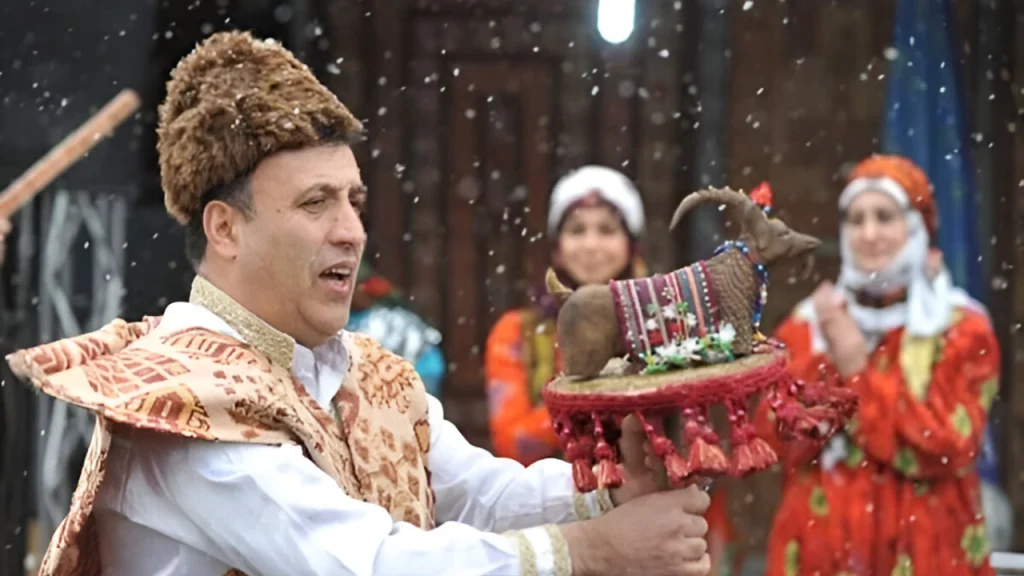
Tat attire is richly embroidered and varies by gender and age. Women typically wear long, colorful skirts, embroidered vests, and headscarves, while men don loose trousers, wide belts, and felt hats.
Handicrafts Include:
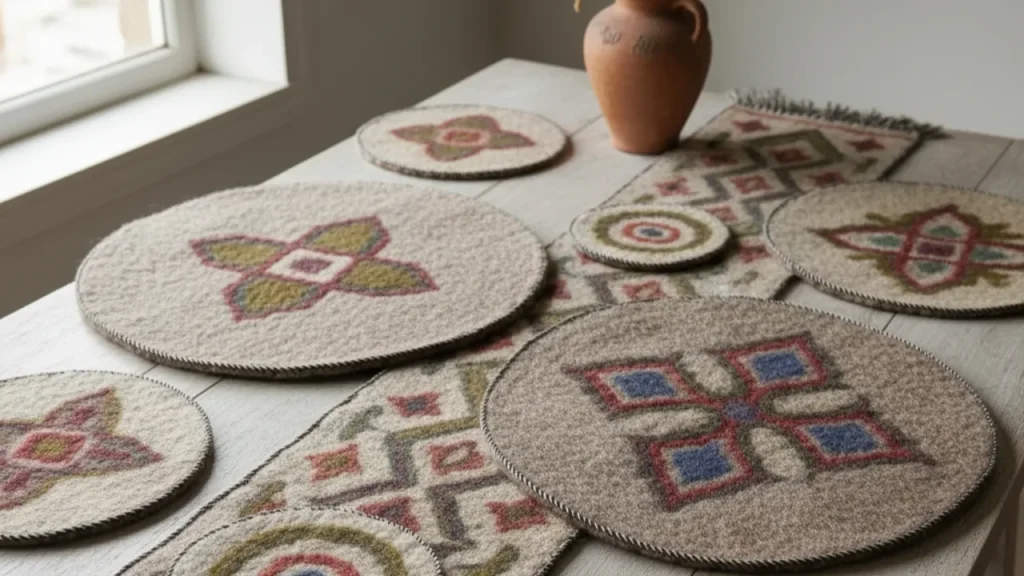
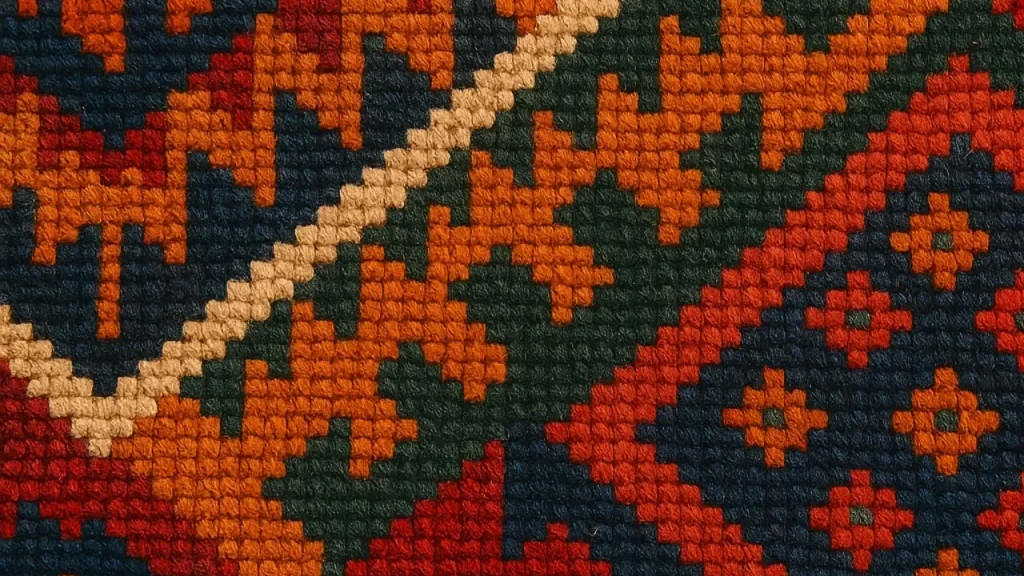
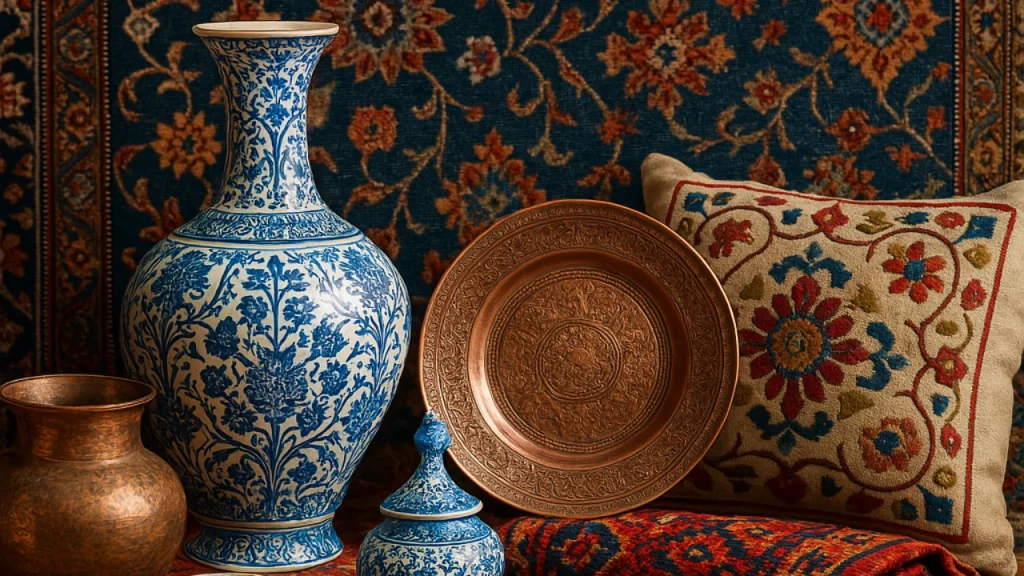
- Embroidery with geometric and floral motifs
- Woolen textiles suited to mountainous climates
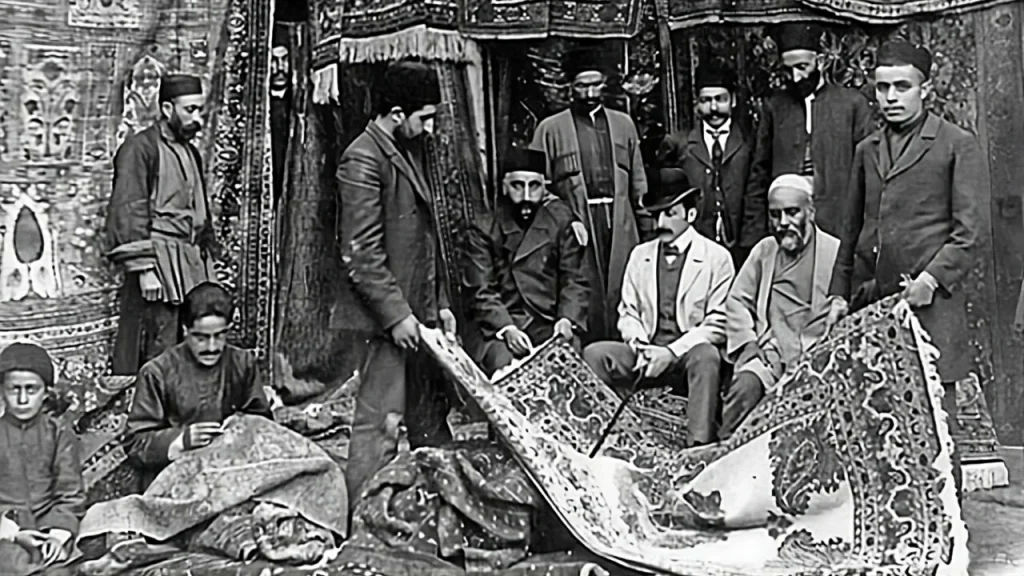
- Rug and carpet weaving with unique patterns rooted in regional aesthetics
These crafts are not only functional but are also deeply symbolic, often reflecting local myths or agricultural themes.


Challenges and Preservation Efforts
The Tat people face increasing pressure from linguistic assimilation and urban migration. Their traditional lifestyle is endangered by economic hardship and a lack of institutional support.
Current Initiatives:
- Language documentation by academics
- Community-led efforts to preserve oral traditions
- NGO involvement in heritage preservation
Despite these challenges, interest in Tat heritage is growing among researchers and cultural enthusiasts.

Conclusion
The Tat people of Iran represent a vibrant yet underrepresented facet of Iranian ethnolinguistic diversity. Their language, customs, and crafts offer a unique lens into the broader Iranian cultural mosaic. Preservation efforts are crucial to ensuring that future generations continue to hear, speak, and celebrate the Tati language and identity.